Impact at Syneos Health
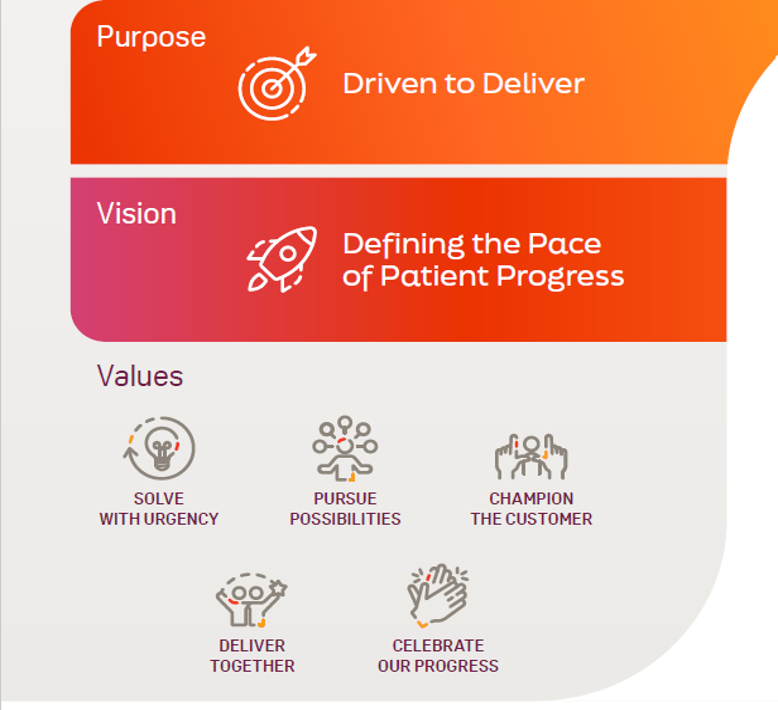
While we all can make a positive difference in the world as individuals, it is when communities act together that we can make the greatest impact. We believe that through our efforts as a global Syneos Health community–by acting responsibly and sustainably–we can help advance health and change patients’ lives. This belief is the foundation for our Impact Strategy and is aligned with our Vision and Values.
Download Our Latest Impact Report
We’re pleased to share our latest Impact Report demonstrating our commitment to making a positive impact. This report highlights our purposeful actions to uphold our responsibility to create a more sustainable world for each other.
Impact Reports
- 2024 Impact Report
- 2023 ESG Report
- 2022 ESG Report
- 2021 Sustainability Report
- 2020 Sustainability Report
- 2019 Sustainability Report
- 2018 Sustainability Report
GHG Assurance Statements
IMPACT
Syneos Health by the Numbers:
248,000+
volunteers and participants engaged across our clinical studies
78%
of colleagues said that they feel their work is meaningful
100%
of recipients completed annual trainings on our ethics, anti-bribery and anti-corruption policies
12%
decrease in Scope 1, 2 and 3 emissions compared to 2023 baseline
- 70% reduction in manual trial planning tasks through machine learning-driven site selection, supporting faster site activation and patient enrollment.
- 4,100+ colleagues participated in at least one of our eight employee resource groups (ERGs).
- 220 diverse suppliers were engaged in 2025.
- Our greenhouse gas decarbonization targets were formally validated and approved by the Science Based Targets initiative (SBTi).
Our science-based GHG targets
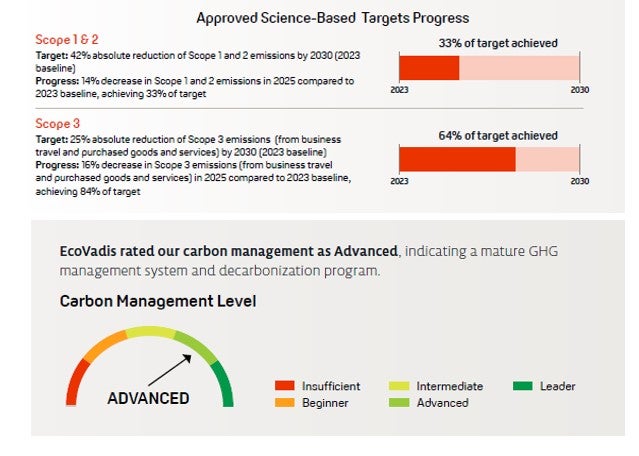
Our GHG decarbonization targets were approved by the Science Based Targets initiative (SBTi) in 2025, confirming that our decarbonization commitments are aligned with the latest climate science and the goals of the Paris Agreement.
We made measurable progress toward these targets within the first year. To view our validation statement from the SBTi, please see here.
Our targets:
- 42% absolute reduction of Scope 1 and 2 emissions by 2030 (2023 baseline)
- 25% absolute reduction of Scope 3 emissions (from business travel and purchased goods and services) by 2030 (2023 baseline)
Progress to date:
- 14% decrease in Scope 1 and 2 emissions in 2025 compared to 2023 baseline, achieving 33% of target
- 16% decrease in Scope 3 emissions (from business travel and purchased goods and services) in 2025 compared to 2023 baseline, achieving 84% of target

Impact Strategy at Syneos Health
From clinical development through commercialization, Syneos Health supports the development of new and innovative therapies and enhances patients’ access to them.
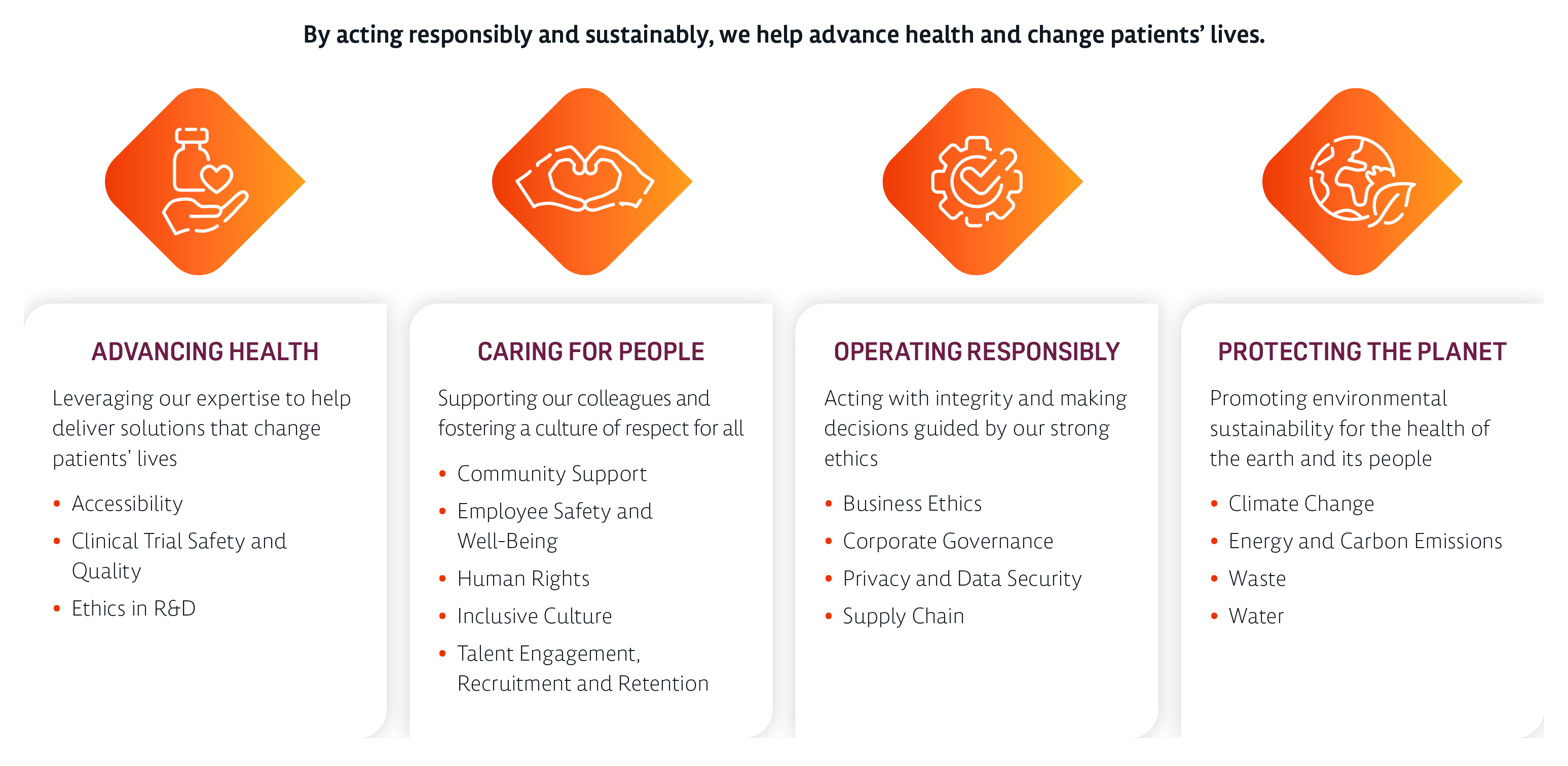
Our Impact Strategic Framework demonstrates how we act responsibly and sustainably to enable our customers to improve the health of patients. It is aligned with our Vision and Values and includes four pillars: Advancing Health, Caring for People, Operating Responsible and Protecting the Planet.
Advancing Health

Leveraging our expertise to deliver solutions that improve patients’ lives—including clinical trial safety and quality, ethics in research and development, and access and affordability.
Caring for People

Supporting our employees and fostering a culture of respect for all—through talent engagement, recruitment and retention, employee safety and well-being, human rights and community support.
Operating Responsibly

Acting with integrity and making decisions guided by our strong ethics, including Business Ethics, Corporate Governance, Privacy and Data Security, and Supply Chain
Protecting the Planet

Promoting environmental sustainability for the health of the earth and its people. We're focusing our efforts on energy and carbon emissions, climate change, waste and water, and access and affordability—and include initiatives such as signing the Climate Pledge.
Syneos Health and the United Nations SDGs
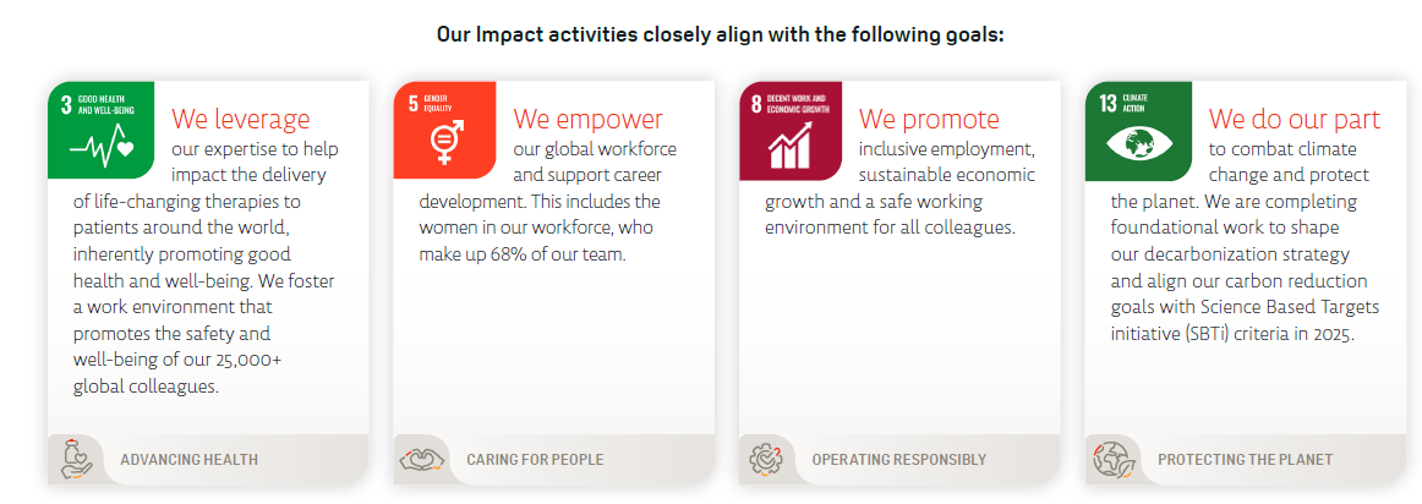
Syneos Health continues to align efforts with the United Nations Sustainable Development Goals (SDGs), adopted by the United Nations in 2015 as a universal call to action to end poverty, protect the planet and ensure that all people enjoy peace and prosperity by 2030.
Our Awards
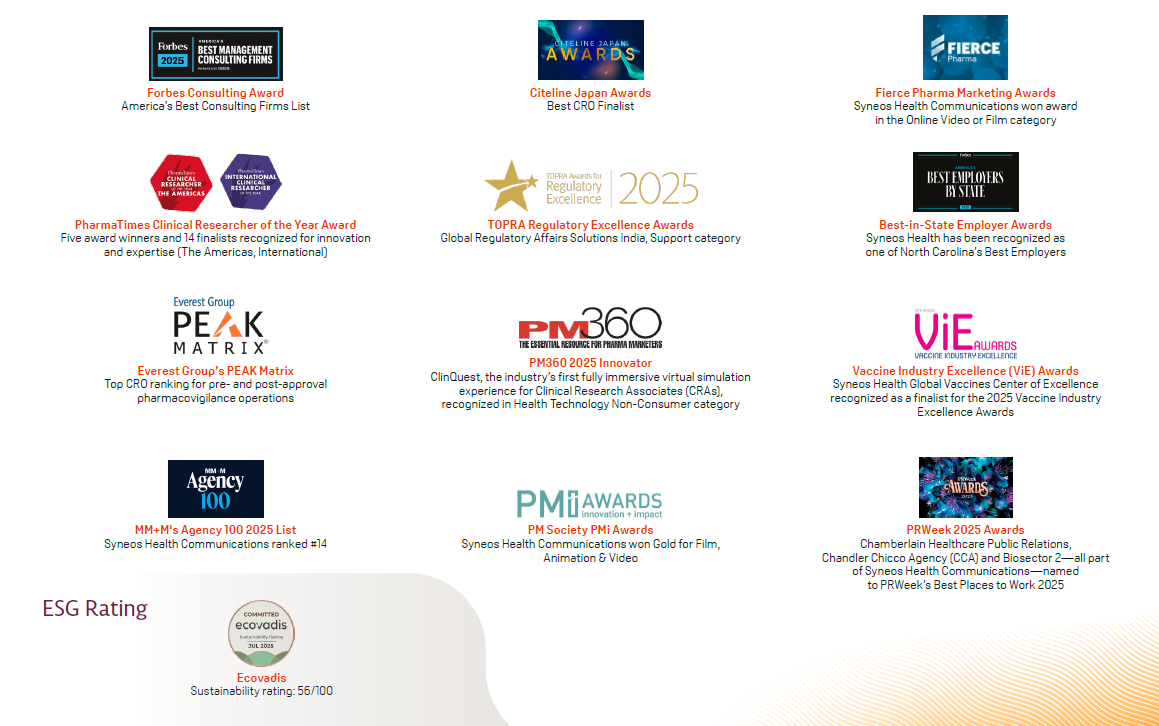
FAQs
Syneos Health creates and maintains an inclusive workplace culture by building inclusion into how we lead, how our offices are designed and how our colleagues connect. We support this through global policies, mandatory onboarding and annual training, including our Code of Business Conduct and Ethics and anti-discrimination and anti-harassment training, reinforced by leadership accountability, non-retaliation protections and reporting mechanisms.
Syneos Health supports employee development through role-specific training for new and existing colleagues, practical leadership development resources aligned with its Everyone Is a Leader framework, and a tech-enabled mentoring program. Career growth is further supported through a structured performance management process with goal setting, regular check-ins, ongoing coaching and year-end performance reviews.
Syneos Health supports employee safety, health and well-being through strong safety planning, real-time crisis support and expanded well-being and assistance programs. Our Health and Safety program is integrated within Corporate Security and Business Continuity, while our global Employee Assistance Program provides free, confidential access to counseling, coaching and everyday support.
Syneos Health operates responsibly, guided by ethics and integrity in everything we do. Our Code of Business Conduct and Ethics establishes clear expectations for ethical behavior and applies to all colleagues, officers and members of the Company’s governance bodies. It is supported by policies, business rules and procedures that address key risk areas, including anti-bribery and anti-corruption, conflicts of interest, data privacy, responsible marketing and interactions with healthcare professionals.
Syneos Health upholds high-quality data collection principles and focuses on patient safety through efficient, ethical and compliant clinical trial execution and site management. Our processes are supported by internal controls to verify that participant safety, rights and data integrity are consistently upheld and safeguarded, including informed consent procedures, ongoing safety surveillance and study data that are accurately recorded, verified and retained to support data integrity and inspection readiness.
Syneos Health’s GHG decarbonization targets were approved by the Science Based Targets initiative (SBTi) in 2025, confirming alignment with the latest climate science and the goals of the Paris Agreement. We are targeting a 42% absolute reduction in Scope 1 and 2 emissions and a 25% absolute reduction in selected Scope 3 emissions by 2030, from a 2023 baseline. Progress will be monitored through a Science-Based Targets Working Group, established as a subcommittee of the Impact Committee.
Syneos Health works with industry peers to better understand and reduce emissions associated with clinical trials. In 2025, we piloted the industry Low Carbon Clinical Trials carbon calculator to gain greater visibility into key emissions drivers and identify opportunities for reduction. We also added sustainability-related questions to our site registration process via StudyEngage to improve visibility into site-level practices. Across our operations, we focus on office energy efficiency, renewable electricity, lower-emission fleet options, driving-efficiency training and smarter routing tools.
Syneos Health prepares its greenhouse gas emissions inventory in accordance with the GHG Protocol Corporate Standard and uses technology to support consistent, comparable and decision-useful emissions data. We participate in external environmental disclosure frameworks to benchmark our performance and strengthen transparency, including CDP Climate Change and the Supplier Engagement Assessment. To better understand indirect emissions, we conducted a Scope 3 relevancy assessment and invested in a new tool to more accurately track business travel emissions by project, business unit and geography.