Can the People Behind Your Clinical Trial Sustain What It Asks of Them?
Explore how patient trust, caregiver capacity and site input shape clinical trial feasibility, recruitment and retention at the 2026 SyncUp Summit.
CAPE COD, MASSACHUSETTS — A six-hour study day occupies more than six hours of someone’s life. It can require a caregiver to take time off work, transportation to be arranged and other responsibilities to be covered. When visits repeat over months or years, these arrangements become part of what makes continued participation possible.
For development leaders, these details affect whether a protocol can deliver the evidence it was designed to generate. A scientifically justified assessment still needs to fit into a workable visit. An eligible participant still needs a way to reach the site. An invitation to join a study still depends on whether someone trusts the person extending it.
On the opening day of the 2026 SyncUp Summit, an East Coast gathering of clinical trial professionals examined these connections through participant, caregiver, advocacy and early phase research perspectives. Together, the speakers and panelists raised a practical question for sponsors: How well do development decisions account for the people who must carry them out?
Learn more about the SyncUp Community.
Participation Depends on Trust Before It Depends on Commitment
A clear explanation of a study does not automatically make someone comfortable considering it. Trust, stigma and cultural context shape whether people feel able to ask questions, express doubt or discuss sensitive information.
As patient advocate and speaker Daniel Garza emphasized, the person asking the questions matters. The relationship through which information is shared and the experiences someone brings to that exchange can influence how it is received.
For sponsors, this means participant input should extend beyond whether study materials are understandable. Development teams also need to understand what makes a conversation feel credible and safe enough for someone to express their concerns. Seeking that input early gives sponsors time to adapt their communications, engage trusted community voices and build support around the people they hope to reach.
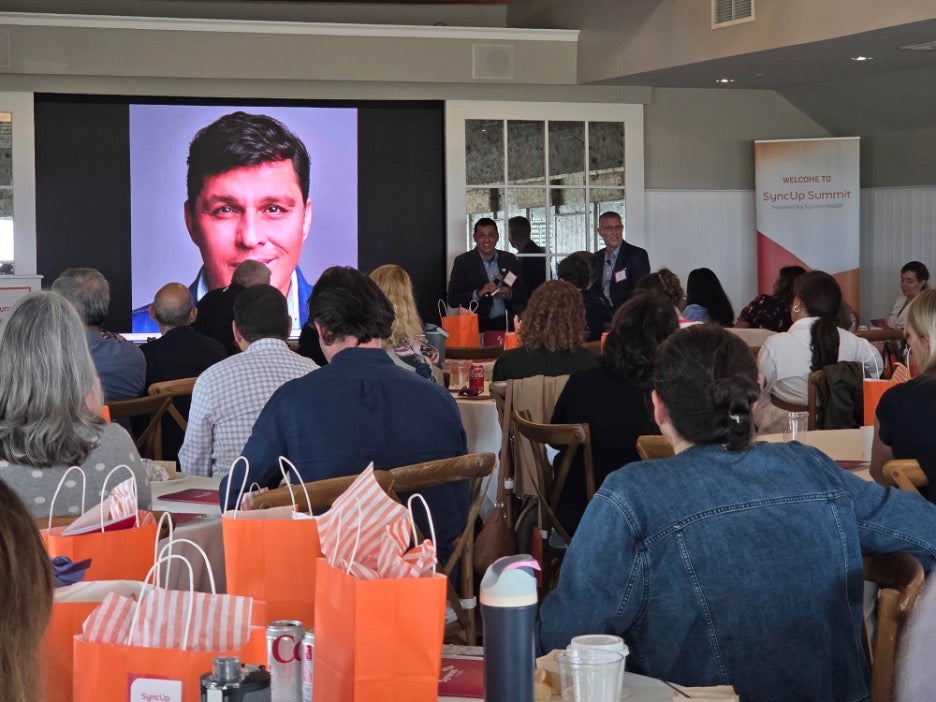
Caregiver Capacity Is Part of Trial Feasibility
A visit schedule captures a participant’s required attendance. It rarely captures everything a caregiver must arrange to make that attendance possible: time away from work, transportation and coverage for responsibilities at home.
Six-hour study days sustained across a commitment of six-and-a-half years, as described by Suzanne Ellery, make that distinction tangible. Participation depends partly on whether a household can continue absorbing those demands.
Assessing feasibility therefore requires looking beyond the number of visits and procedures. Who accompanies the participant? How much time does each visit consume, including travel and waiting? Can these arrangements hold over the expected duration of the study?
Bringing caregivers into protocol planning can reveal pressures that an assessment schedule alone would miss. Their input can help sponsors identify where visit flexibility or practical support would make continued participation more manageable.
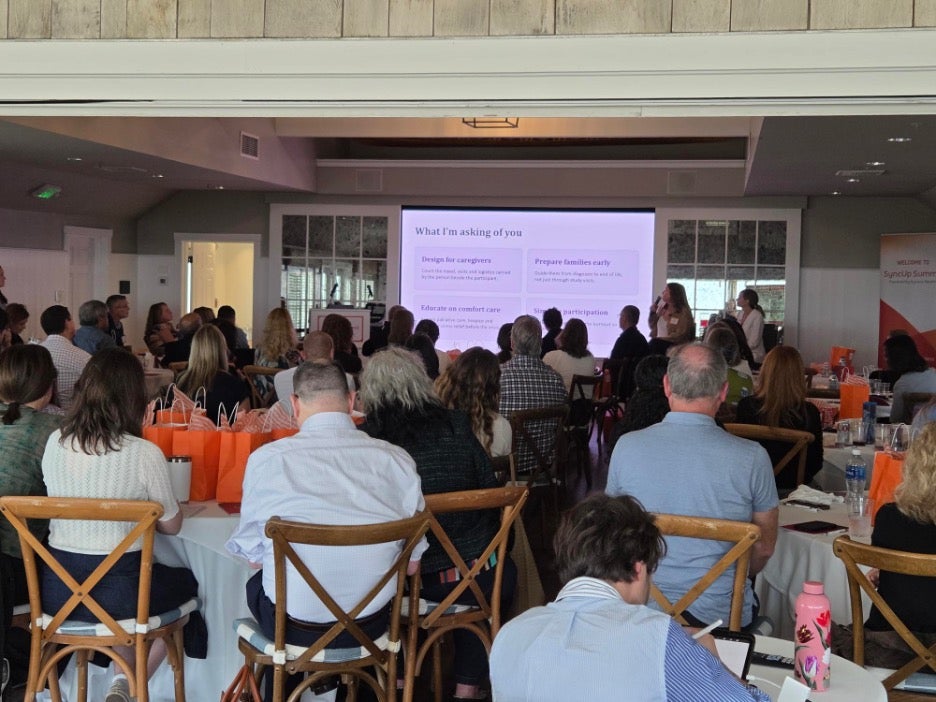
Finding a Trial Is One Step Toward Access
Anna Berkenblit’s discussion of the Pancreatic Cancer Action Network’s work highlighted the support involved in helping people move from awareness to a potential study opportunity. Navigation, trial summaries and follow-up with sites each address a different point where the process can become difficult.
For a person considering research, identifying a potentially relevant trial does not resolve every question. They still need to understand the opportunity and establish what happens next. Sponsors should examine that pathway alongside their recruitment plans. How clearly is the study explained? Can someone identify the appropriate contact? What happens after an inquiry reaches a site?
Advocacy organizations can help development teams understand where people encounter uncertainty or lose momentum. Bringing that perspective into planning can reveal access barriers before recruitment performance makes them visible.
Every Assessment Needs a Purpose (and a Workable Plan)
Monica Mauri, Medical Director and Principal Investigator, Early Phase/Clinical Pharmacology at Syneos Health®, brought the discussion back to the decisions embedded in a protocol.
Before adding an assessment, teams should establish what it will inform: dosing, dose escalation, pharmacokinetics, pharmacodynamics or progression to the next phase. That purpose provides a basis for weighing its demands on participants and sites.
Other panelists described the consequences of accumulating requirements without sufficient operational scrutiny, including roughly 40 pages of assessment schedules and assessment sequences that could not work as written.
Early site involvement gives sponsors an opportunity to test these requirements while changes are still manageable. Investigators and operational teams can assess whether timings are feasible, resources are sufficient and visit schedules can be delivered in practice.
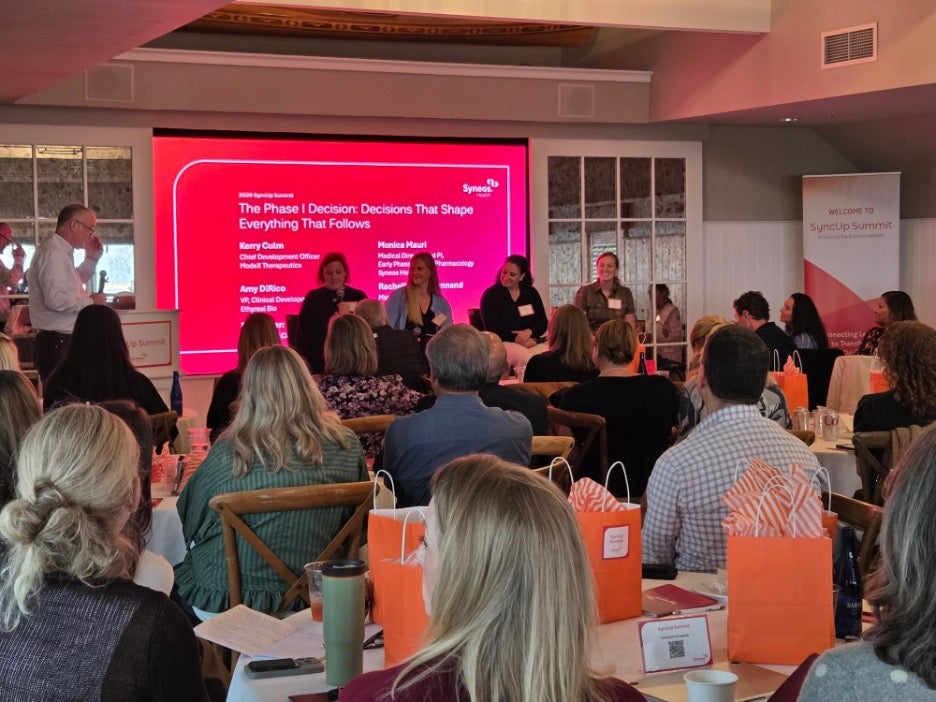
The decisions connect: What a sponsor includes becomes work a site must perform and a commitment participants and caregivers must sustain. Testing those connections during design can help leaders build a trial that people can realistically join, deliver and continue.
Explore the SyncUp Community and upcoming opportunities to join these conversations.
Related Content


Looking for exclusive insight?