Beyond Outsourcing: The Future of Strategic FSP Partnerships in Clinical Development
Learn how functional service provider (FSP) partnerships help biopharma scale expertise, reduce risk and accelerate clinical development.
Biopharmaceutical sponsors are under increasing pressure to accelerate clinical development while maintaining quality, oversight and operational efficiency. As a result, many organizations are reevaluating traditional outsourcing strategies and embracing more flexible functional service provider (FSP) models that provide access to specialized expertise, scalable resources and integrated support. In this Q&A, Diana Cucos, President, FSP 360 and PM360 Elite 100 award recipient explores how FSP partnerships are evolving beyond simple resourcing arrangements to become strategic operating models that help sponsors improve clinical trial execution, reduce operational risk and adapt to changing business priorities across the drug development lifecycle.
Discover how customized partnership models can help accelerate development and drive long-term success.
Clinical development teams are under increasing pressure to move faster without sacrificing quality or oversight. How are sponsors rethinking the way they structure partnerships today?
I think the biggest shift is that sponsors are rethinking how much they need to build and manage themselves.
Historically, external support was often viewed as a way to add capacity. Today, organizations are taking a much broader view. They're asking, "What is the best operating model for our business?" and "Where can outside expertise help us achieve our goals more effectively?"
Ten years ago, many organizations believed they needed to own most capabilities internally to maintain control. Today, they're realizing that control doesn't necessarily come from ownership, it comes from having the right expertise, processes and relationships in place.
We're seeing sponsors become more intentional about which capabilities they want to retain internally and where they can benefit from specialized knowledge, scalability and global reach. At the same time, they're looking for ways to reduce operational risk and create greater consistency across programs.
The organizations seeing the greatest success are looking for more than someone to simply fill positions. They're looking for teams that can solve problems, bring fresh perspectives and share insights that help them make better decisions. The most effective relationships go beyond execution. They help organizations identify opportunities, anticipate challenges, and stay focused on what matters most.
And what matters most varies from organization to organization. For many, success means quality and speed. For others, it's scalability, access to specialized capabilities, operational efficiency or risk reduction. The key is understanding those priorities upfront and aligning support around them.
FSP models were once viewed primarily as a fit for large pharma organizations. Why are more emerging and mid-sized biopharma companies now exploring this approach?
Many emerging and mid-sized biopharma companies are facing the same challenges as larger organizations, but often with fewer internal resources.
In many ways, they're being asked to operate with the same level of precision as large pharma organizations, but with smaller teams and a much nimbler infrastructure. That's creating a need for flexible models that provide both expertise and adaptability.
These companies need access to experienced talent, specialized capabilities and operational support, but they may not have the scale or desire to build every function internally. They're looking for ways to stay focused on advancing their science while accessing the expertise needed to move programs forward efficiently.
What has changed over the years is the flexibility available to sponsors. Today's models can be tailored to the unique needs of an organization rather than requiring them to fit into a predefined structure.
I also think companies have become more thoughtful about how they build their operating models. The question isn't simply, "How do we outsource?" It's, "What capabilities do we need, and what's the best way to access them?"
For some organizations, a functional model may be the right fit. For others, a broader full-service approach may provide greater value. In many cases, the answer evolves over time as the organization grows and priorities change.
What we're seeing is a shift away from choosing a model and toward designing the right solution for the business. That's why these approaches are resonating with a much broader range of organizations today.
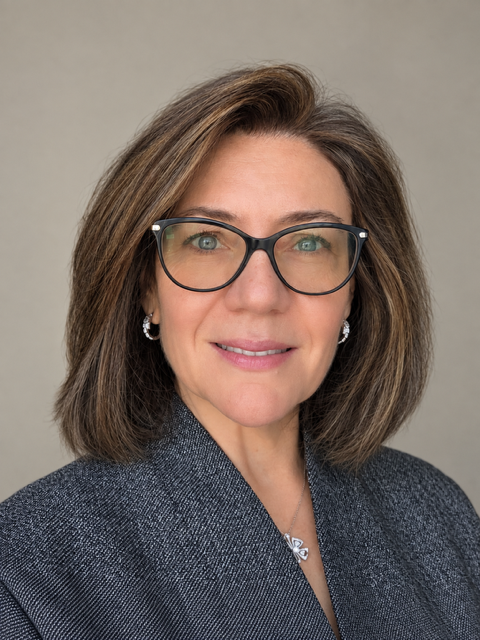
You've talked about moving beyond traditional outsourcing models toward more integrated operating partnerships. What does that shift look like in practice, and why does it matter now?
I think one of the biggest misconceptions is that partnership is defined by a contract or delivery model.
In my experience, it's defined by how people work together. You can have a traditional outsourcing arrangement that feels highly collaborative, and you can have a sophisticated contract structure that still feels transactional. The difference comes down to alignment, trust and a shared commitment to success.
The strongest relationships start with a clear understanding of what an organization is trying to achieve. From there, both sides work together to solve challenges, make decisions and continuously improve.
When a relationship is working well, the sponsor isn't spending valuable time managing the engagement. They're spending their time advancing their business.
When teams are truly integrated, they bring more than resources. They bring expertise, industry perspective and insights gained from supporting different organizations and programs. That perspective can help identify opportunities, reduce risk and improve decision-making.
This matters now more than ever because clinical development continues to become more complex. Organizations need teams that can adapt alongside them, bring new ideas to the table and help them navigate change while staying focused on their priorities.
FSP 360 emphasizes flexibility and customization rather than a one-size-fits-all model. What are the biggest factors that determine whether an FSP strategy will succeed?
The first and most important factor is alignment around what success looks like.
Before discussing structure, governance or resources, you need to understand the organization's priorities. Every company defines value differently, and the solution should reflect those unique needs.
One of the biggest mistakes I see is starting with a model and then trying to fit the organization into it. The most successful engagements start by understanding the business and then designing the approach around its goals.
The second factor is people. Having the right talent in the right roles remains one of the biggest drivers of success. Strong teams bring expertise, stability and continuity, all of which are critical in clinical development.
The third factor is flexibility. Flexibility is about creating an approach that can evolve as business needs evolve. Priorities shift, portfolios change and organizations grow. The model needs to adapt alongside those changes.
Another important element is the ability to bring meaningful insights to the table. When teams understand the business and can draw on experience from across the industry, they can help identify opportunities for improvement and create value beyond day-to-day execution.
Finally, trust and communication tie everything together. Without those foundations, even the most thoughtfully designed model will struggle to reach its full potential.
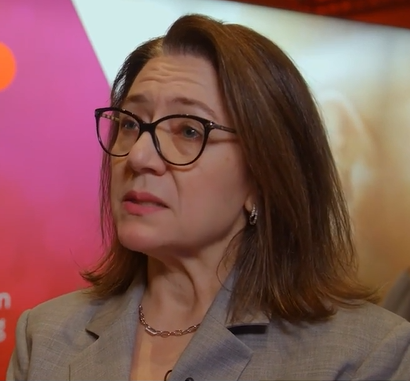
One of the themes that consistently comes up when people describe your leadership style is trust—both with customers and within teams. What do you believe creates strong, long-term partnerships in this industry?
For me, trust isn't something you create overnight. It's earned over time. It develops through the everyday moments when people consistently follow through, communicate openly and do what's right, even when it's difficult.
The strongest relationships I've been part of weren't successful because everything went perfectly. They grew stronger through consistent actions over time: doing what you say you're going to do, being transparent when challenges arise and staying focused on solutions.
I also think trust deepens when people know you're genuinely invested in their success. That means taking the time to understand their business, listening carefully to what matters most to them and aligning around shared goals.
Trust isn't earned solely through delivery. It grows when people know you're bringing your best thinking to help them succeed. The strongest collaborators go beyond simply executing the work; they share insights, challenge assumptions when appropriate and help others make informed decisions.
The best relationships feel like an extension of your own team. There's open communication, mutual respect and a shared commitment to achieving the right result.
At the end of the day, people want to work with individuals they trust. When that trust exists, it creates stronger collaboration, better decision-making and ultimately better results.
As the industry continues to evolve, where do you see the future of FSP partnerships heading over the next several years?
I think we'll see fewer conversations centered on delivery models and more conversations centered on results. Most sponsors aren't asking whether they need FSP, full-service outsourcing or some other structure. They want to know the best way to achieve their goals.
We're moving toward a future where organizations care less about the label attached to a model and more about the value it delivers.
The teams that will be most successful are the ones that can bring together the right expertise, capabilities, insights and support in a way that aligns with the organization's specific needs.
We'll also continue to see technology play a larger role in how work gets done. AI and automation have the potential to improve efficiency, support decision-making and allow teams to focus on higher-value activities. But technology alone isn't the answer. In fact, as routine activities become more automated, the importance of human expertise and insight will only increase. Organizations will continue to look for advisors who can bring perspective, help navigate increasingly complex decisions and identify opportunities they may not see on their own.
Clinical development remains a people business. Technology will continue to evolve, but people remain at the center of successful collaborations. The right expertise, strong relationships and a shared commitment to success will always matter.
The most successful relationships are designed to evolve alongside the business, ensuring they continue creating value as priorities, portfolios and needs change. Those are the relationships that will help bring therapies to patients more efficiently and with greater confidence.
Looking Beyond Traditional Outsourcing? Learn more about FSP 360.
Contributors
Related Content



Looking for exclusive insight?